 POLYMERPowder coatings
Epoxy for indoor parts that must resist.
Pure epoxy powder for indoor parts that need chemical resistance, electrical insulation, hardness and strong adhesion.
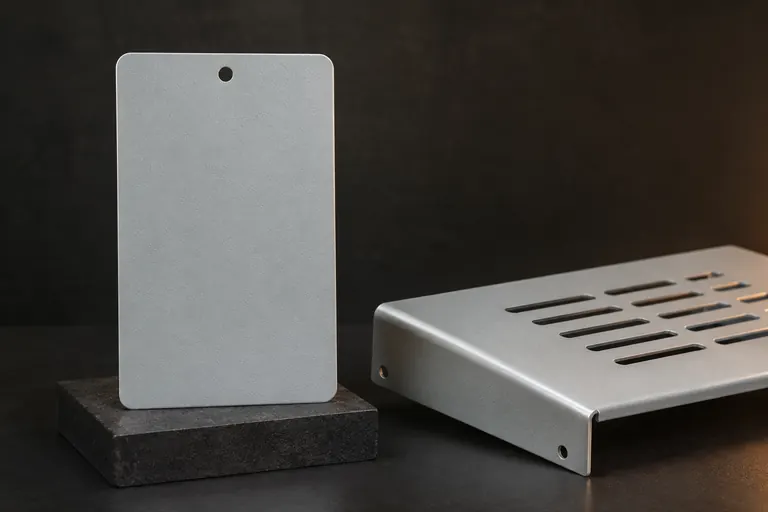
Properties
What epoxy is good at.
Typical properties from our product catalogue. Values for each grade are on its technical data sheet.
- 01Excellent chemical resistance and electrical insulation
- 02Strong adhesion and mechanical properties
- 03High hardness, acid and alkali resistance
- 04High coating efficiency
Where it is used
Typical parts.
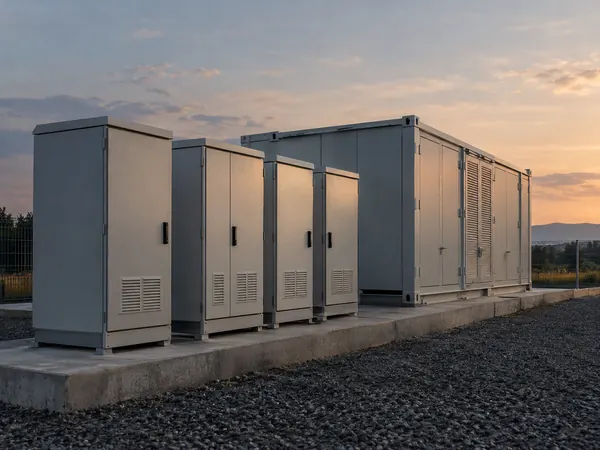
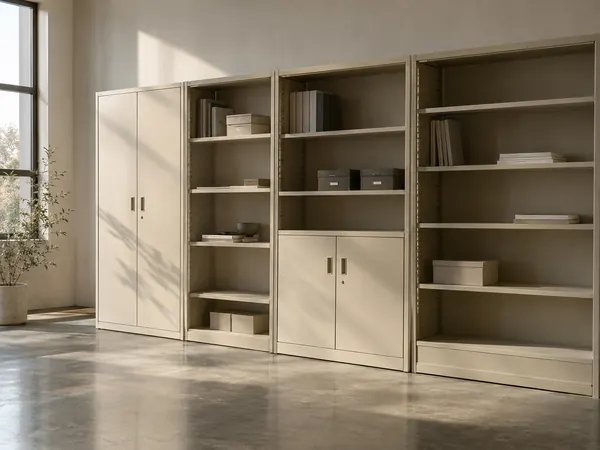
Security doors, safes and office products, electrical cabinets and instrument housings, industrial equipment, fitness equipment.
Options
Colour, gloss, effect and cure.
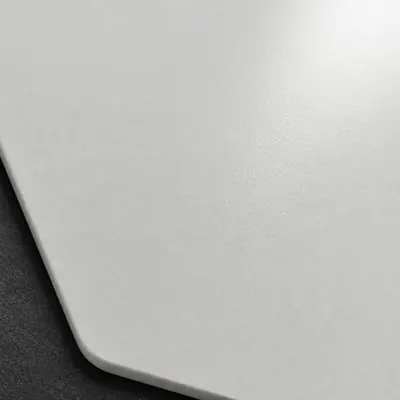
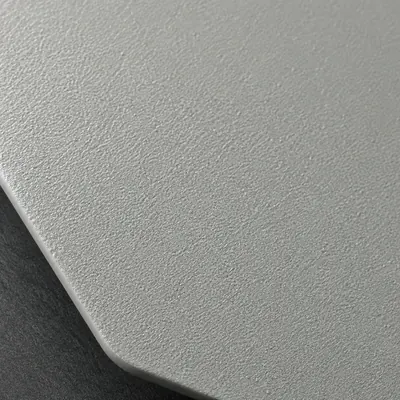
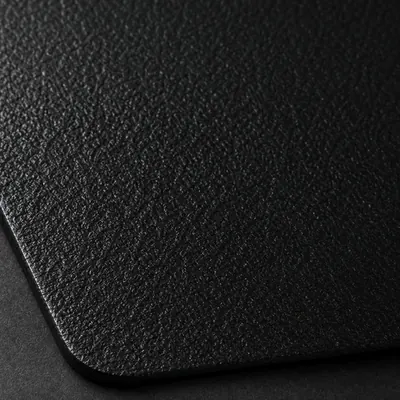
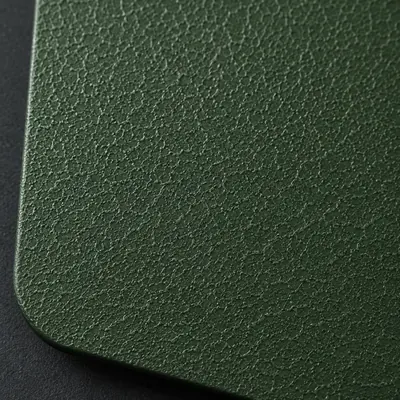
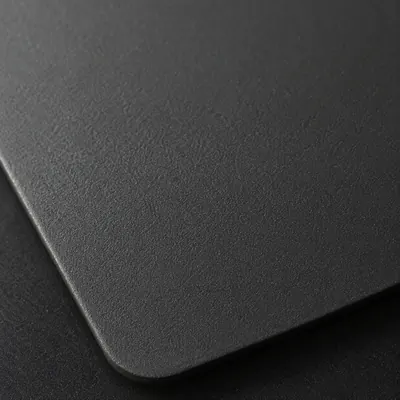
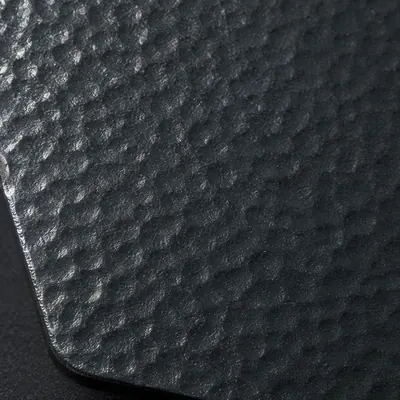
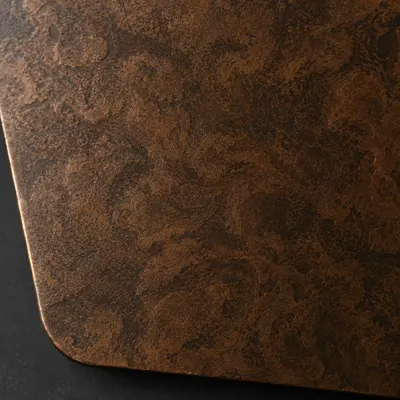
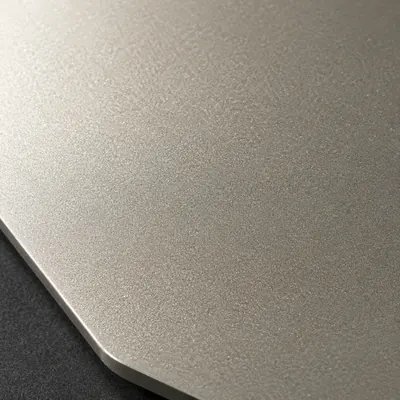
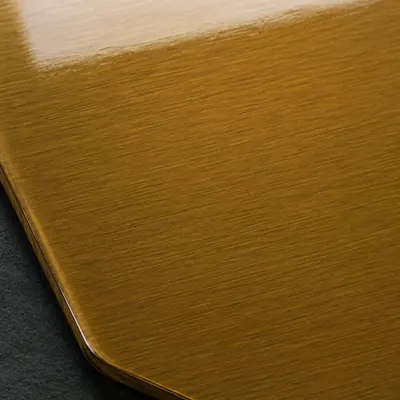
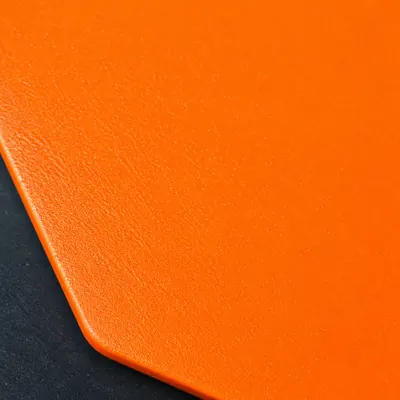
RAL or your sample · high gloss ≥ 90, satin and matt 11–80, dead matt ≤ 10 · ten surface effects · standard or low-cure.
Industries
Where we recommend epoxy.
Questions
Before you specify.
Which powder coating system should I use for outdoor parts and which for indoor parts?
Use polyester for outdoor and UV-exposed parts. Use epoxy-polyester hybrid for indoor decorative parts and epoxy for indoor functional parts that need chemical resistance or hardness.
POLYMER supplies three thermosetting systems, and the choice is driven mainly by where the coated part will be used. Polyester is the weather-resistant system in our catalogue and is the one we recommend for architectural aluminium, outdoor furniture and lighting, air-conditioner housings, outdoor cabinets and agricultural machinery.
The epoxy-polyester hybrid gives good flow and gloss and is intended for indoor items such as appliances, steel furniture, shelving and indoor enclosures. Epoxy offers good chemical resistance, hardness and adhesion, and suits indoor functional parts such as safes, security doors, instrument housings and fitness equipment.
Neither epoxy nor hybrid should be specified for outdoor use. If one product range contains both indoor and outdoor parts, select the system part by part rather than using one powder for everything. Final suitability is confirmed on your parts, with your pretreatment and cure conditions.
Basis: POLYMER product catalogue (system descriptions and application areas). · Products →
Why is epoxy powder for indoor use only, and why can it turn yellow?
Epoxy binders break down under UV light, so they chalk and discolour outdoors. They can also yellow if baked too hot or for too long.
Epoxy powders give strong adhesion, hardness and chemical resistance, which is why they are used for indoor functional parts. Their weakness is UV light: outdoors, the surface chalks and loses colour and gloss relatively quickly. POLYMER epoxy powders are therefore for indoor use only and should not be used directly outdoors.
Epoxy can also yellow in the oven. When the metal temperature is too high or the part stays in the oven too long, the film can turn yellow, which is most visible on whites and pale colours. Check that your oven profile matches the cure window on the product TDS, especially on lines with mixed part thicknesses.
Our epoxy powders are decorative and protective coatings for indoor parts. They are not fusion-bonded epoxy (FBE/3PE) pipeline coatings or heavy-duty anticorrosion systems.
Basis: POLYMER catalogue; general knowledge of epoxy coatings. · Epoxy →
Start a project
Send us your most-used colour and your hardest one.
Tell us the part, environment, process and expected volume. We reply with a proposed system and a sample plan. Orders from 1,000 kg.