 POLYMERPowder coatings
Ten surface effects, one approved version.
RAL shades and customer samples in every effect, across all three systems. Each finish is confirmed on a physical panel under your spraying conditions, then recorded as the version for repeat orders.
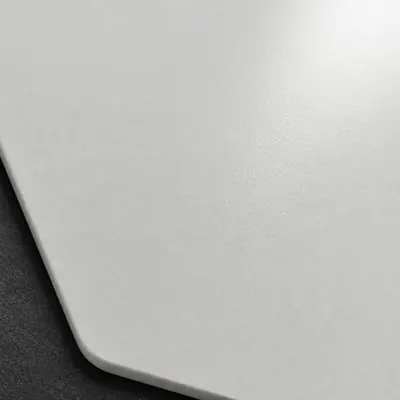
Smooth
Flat finish in every gloss band.
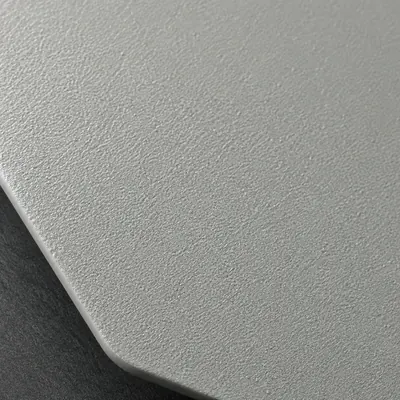
Sand texture
Fine, even grain that hides small defects; common on cabinets and enclosures.
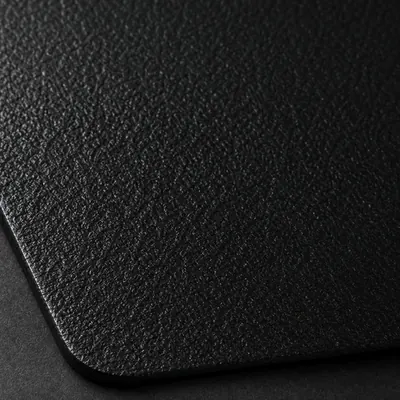
Wrinkle
Continuous soft ridges; a durable look for equipment and tools.
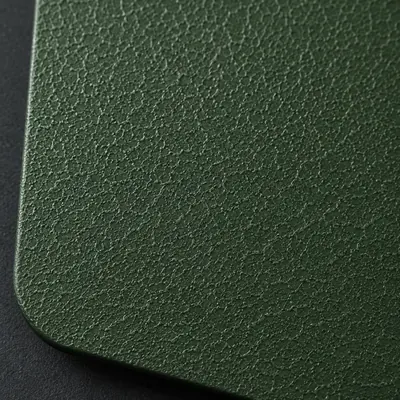
Vein texture
A fine raised network for decorative metalwork.
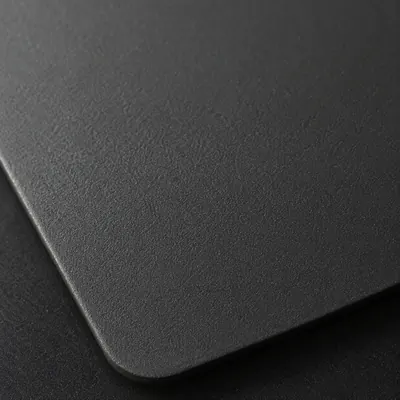
Fine texture
A dense micro-texture with a soft-touch look.
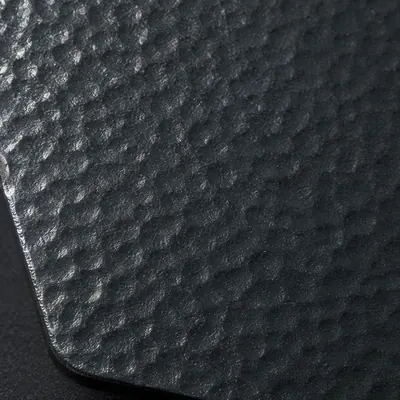
Hammer tone
Shallow dimples with a metallic sheen for machinery and tools.
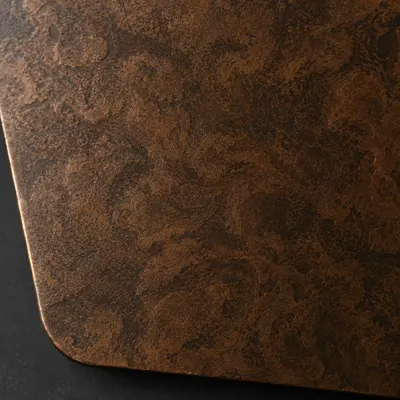
Pattern
Antique and art patterns for decorative metal.
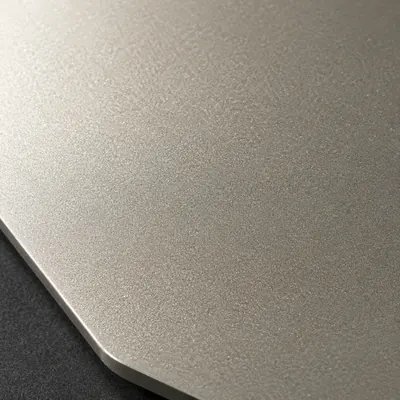
Metallic
Bonded metallic effects, produced on two bonding machines.
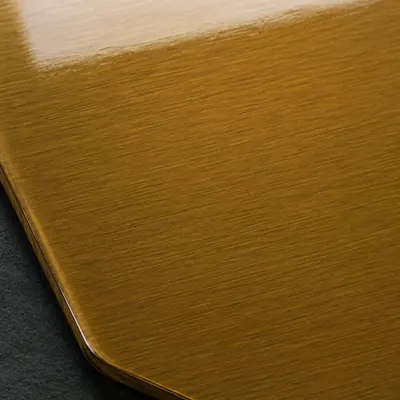
Transparent
Clear and tinted coats that show the substrate.
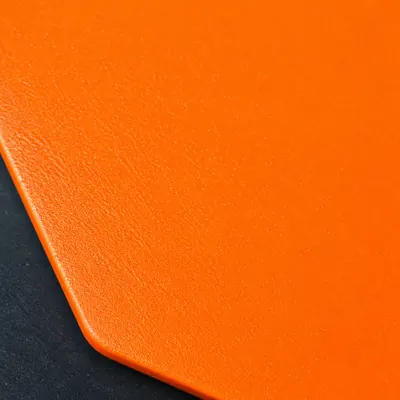
Fluorescent
High-visibility safety and signal colours.
From our panel library
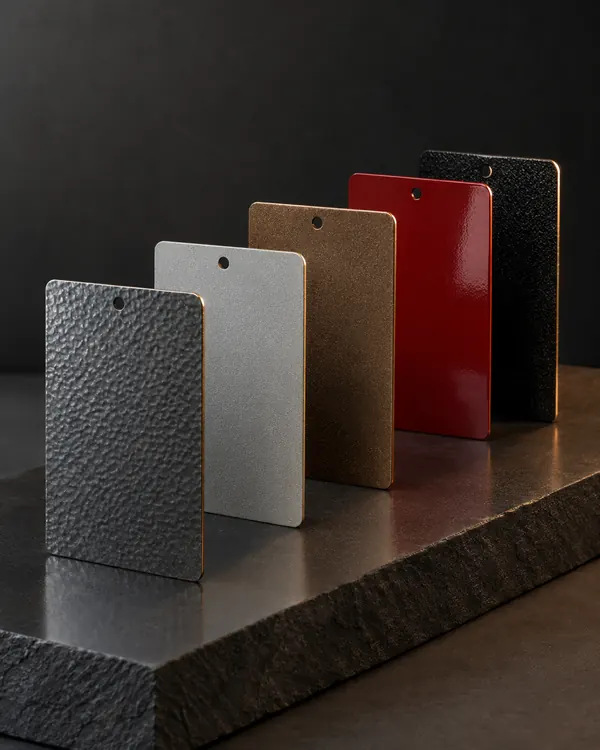
Real panels, photographed in our lab.
Sprayed and cured on aluminium profile sections. Unretouched studio photos; colour on screen is a guide, and the physical panel is the reference.
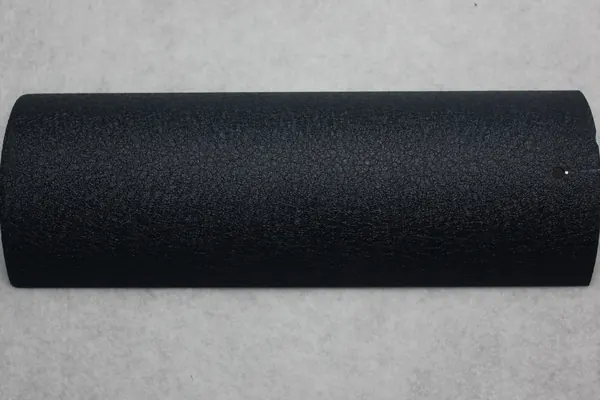
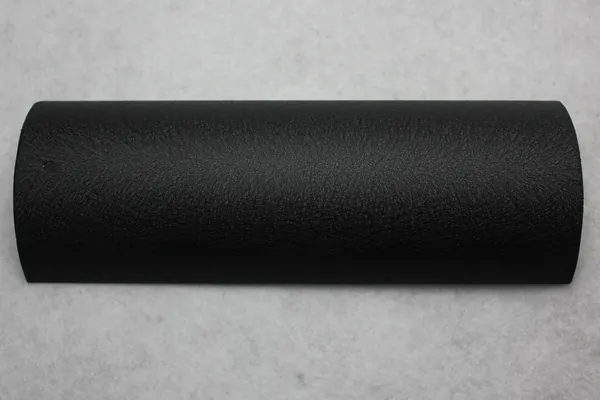
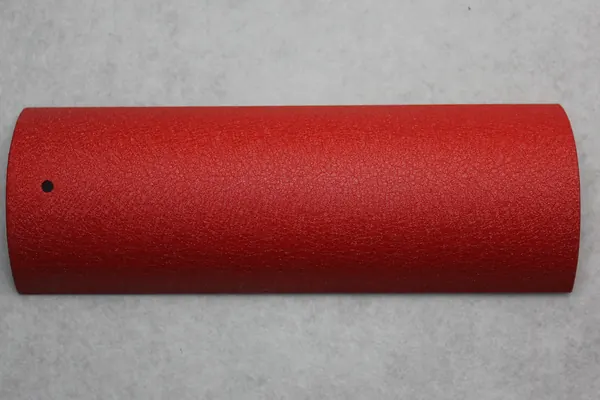
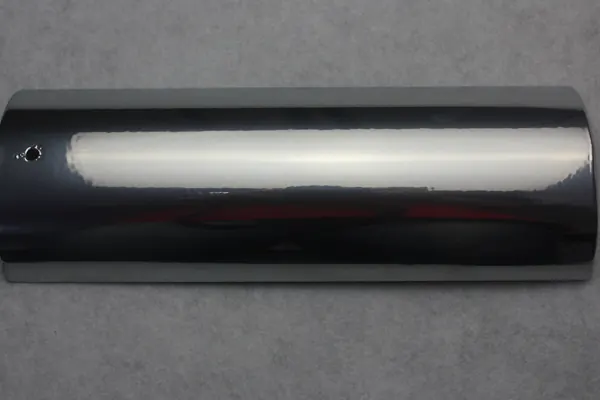
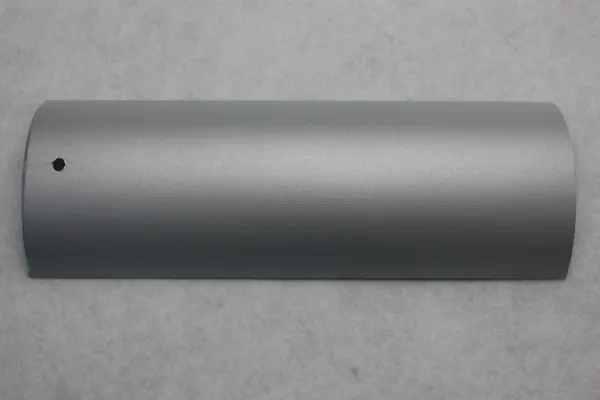
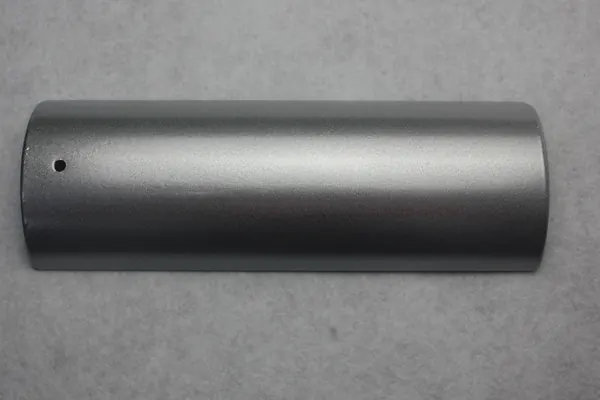
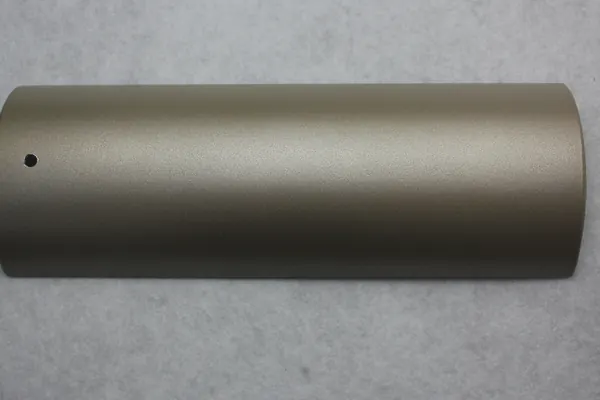
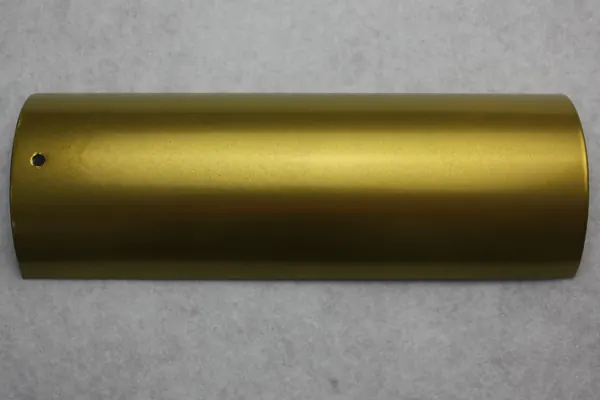
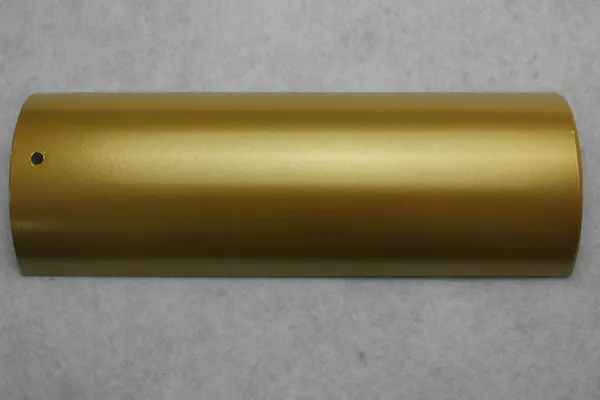
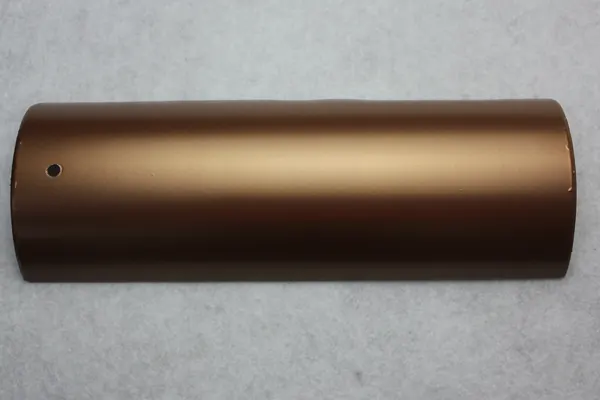
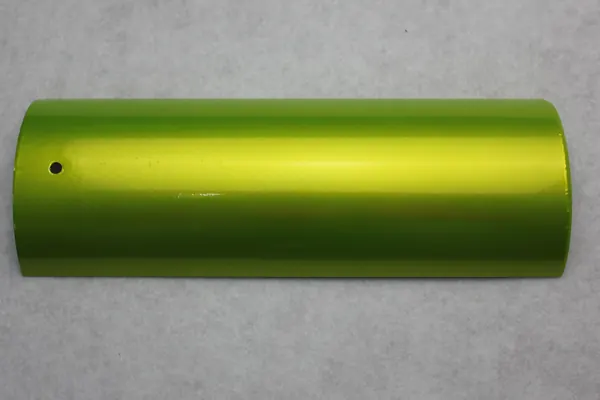
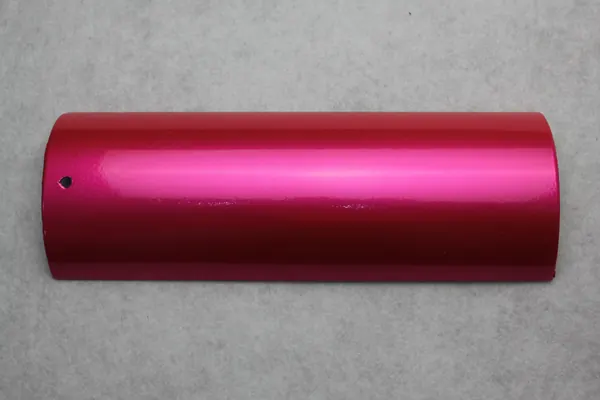
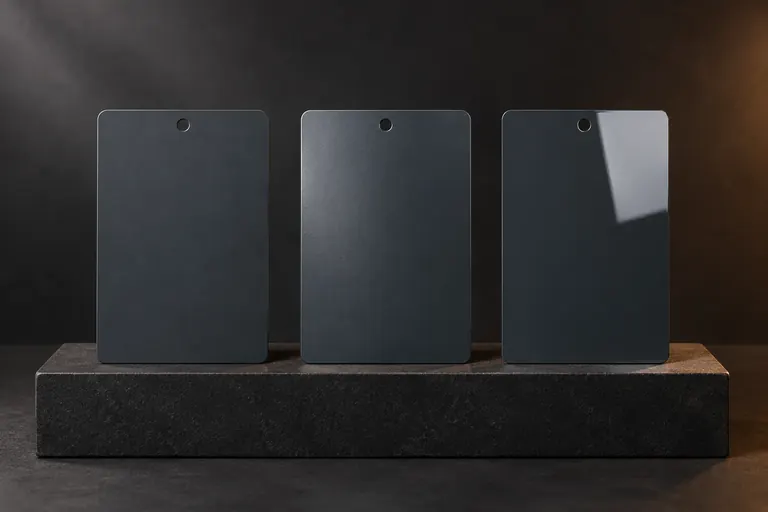
Three gloss bands.
Gloss is agreed per project with a measuring condition and a physical reference, because colour, texture and film thickness all change how gloss looks.
How we confirm a finish
Colour code plus a physical sample.
| Choice | Best way to specify | What we check |
|---|---|---|
| Colour | Colour code and a physical sample; your current powder as a reference if you have one | Sample condition, light source, film thickness and colour-difference tolerance |
| Gloss | The measuring and acceptance condition, plus a physical reference | How colour, texture and film affect the visual result |
| Texture | A physical sample of the target texture | Size, evenness, feel and the effect on your real part |
| Metallic | The target look and a reference part | Viewing angle, spraying conditions and effect consistency |
Each panel is linked to its system, colour, gloss, texture, film thickness and cure. Samples, trial orders and bulk supply all refer to the same approved version.
Questions
About finishes.
Can you match a RAL colour or a colour from my own sample?
Yes. We match RAL colours and customer-specified colours from physical samples, in all three powder systems.
For RAL colours, the code is a starting point, but gloss, texture and film thickness all change how a colour looks. We therefore recommend sending a physical reference as well, such as a coated part, a panel or the powder you currently use.
For a custom colour, a physical sample is essential. Please tell us the system or environment (indoor or outdoor), target gloss band, finish or effect, substrate, typical film thickness and your cure conditions, and how you judge colour (light source, instrument or visual check).
We match the colour, prepare a panel and send it for your approval. Once you approve it, the panel is recorded as a version so later orders are produced to the same reference. Metallic and textured colours are always confirmed on physical panels, because they cannot be judged from a code alone.
Basis: POLYMER colour-matching process; general colour-matching practice. · Colours & finishes →
How do you make sure repeat orders match the colour I approved?
Each approved panel is recorded as a version with its system, colour, gloss, texture, film thickness and cure, and repeat orders are produced and checked against that version.
A colour is only meaningful together with the conditions it was made under. When you approve a panel, POLYMER records it as a version that links the powder system, colour, gloss, texture, film thickness and cure conditions.
Samples, trial orders and later bulk orders all refer to the same version. In production, each batch is checked in-house for colour, gloss and the other agreed properties before release, using the approved version as the reference.
On your side, keep your retained approved panel and apply the powder at similar film thickness and cure conditions; large changes in either can shift colour or gloss even when the powder is identical. If you want to change gloss, texture or system, we create a new version rather than modifying the old one, so the history stays clear.
Basis: POLYMER panel version management; in-house batch checks. · Quality & testing →
What gloss levels and surface effects do you offer?
Gloss bands are high gloss (≥90), satin/matt (11–80) and dead matt (≤10). Effects include smooth, sand, wrinkle, vein, fine texture, hammer tone, pattern, bonded metallic, transparent/translucent and fluorescent.
All three systems are available in a range of gloss levels: high gloss at 90 or above, satin and matt between 11 and 80, and dead matt at 10 or below. The exact target within a band is set to your requirement.
Surface effects include smooth, sand texture, wrinkle, vein (net) texture, fine texture, hammer tone, pattern finishes such as antique and art effects, bonded metallics, transparent and translucent powders, and fluorescent colours.
Not every combination exists in every system, so we confirm the system, colour and effect together. Textures and metallics are judged on physical panels and, ideally, on your parts with your spray equipment, because film thickness and application settings affect how they look. Tell us the end use and we will suggest suitable combinations.
Basis: POLYMER product catalogue. · Colours & finishes →
What is bonded metallic powder and why does it matter?
In bonded metallic powder the metallic pigment is attached to the powder particles, which reduces separation during spraying and recovery and helps keep the effect consistent.
Metallic and pearlescent effects come from flake pigments. If the flakes are simply dry-blended with the base powder, they can charge and travel differently from the powder particles. The result can be uneven appearance, differences between virgin and recovered powder, and drift in the effect as a job runs.
Bonding attaches the flakes to the powder particles under controlled heat and mixing, so they move through the gun and recovery system together. POLYMER has two metallic bonding machines for this.
Bonding reduces separation, but metallic effects still depend on application. Viewing angle, film thickness, gun settings and the ratio of recovered powder all influence the final look. We therefore confirm each metallic effect on physical panels and under your spraying conditions before bulk supply.
Basis: POLYMER equipment (2 bonding machines); general powder coating practice. · Metallic finishes →
Start a project
Send us your most-used colour and your hardest one.
Tell us the part, environment, process and expected volume. We reply with a proposed system and a sample plan. Orders from 1,000 kg.